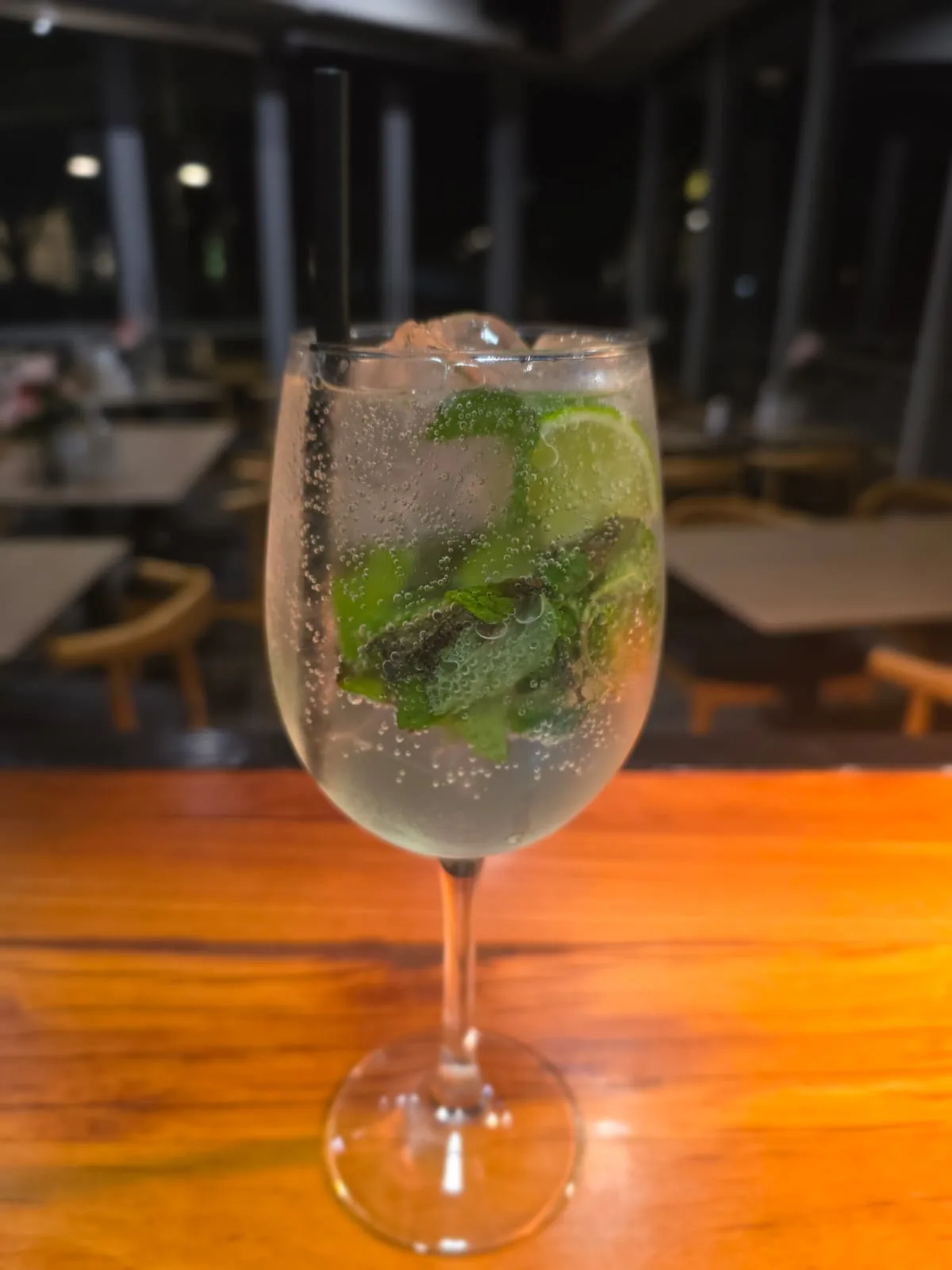
Choose a Hugo Spritz if you like elderflower, mint and a floral finish. Choose an Aperol Spritz if you enjoy bittersweet orange. Both commonly use prosecco and soda, so the difference you notice first comes from the flavour of the base and the garnish.
What a Hugo Spritz tastes like
A Hugo has an elderflower base, usually with fresh mint. Recipes vary by bar. The St‑Germain Hugo recipe uses elderflower liqueur, sparkling wine and soda with mint. Milano’s listed Hugo adds lime to its elderflower, prosecco, mint and soda combination, giving the drink a fresh citrus edge.
What an Aperol Spritz tastes like
Aperol brings the orange colour and a more bittersweet finish. The classic Aperol recipe combines Aperol, prosecco and soda with an orange garnish. If you usually prefer dry or bitter aperitivo flavours, that finish may appeal more than the floral character of a Hugo.
Choose around the first plate
At an Italian dinner, a Hugo can work with calamari and lemon because the citrus in the drink echoes the garnish. An orange-bitter spritz can work with salty snacks or a richer first plate. If you’re sharing entrées, try ordering for your own taste first. A floral drink can suit the seafood even if someone else at the table prefers the bitter option.
What you can check before dinner in Newstead
Milano’s current drinks menu lists a Hugo Spritz. Check the drinks list or ask the team about other options on the day. You can also browse the dinner menu to see what you’d like to share. For the meal tradition behind the drinks, read how Italian aperitivo works.